Accession Data:
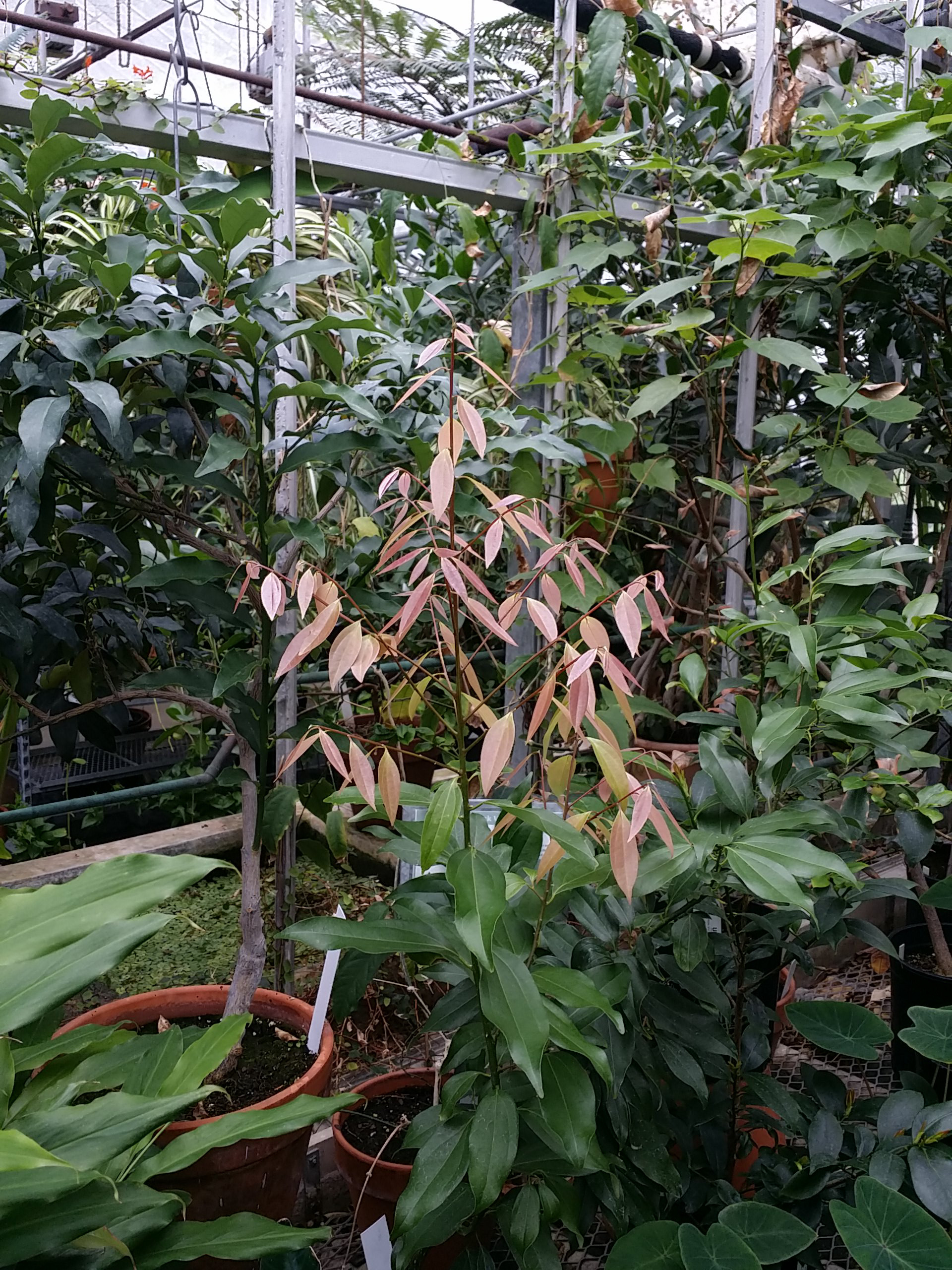
Cinnamomum verum J.Presl
- Common Name: Ceylon Cinnamon
- Family: Lauraceae Juss.
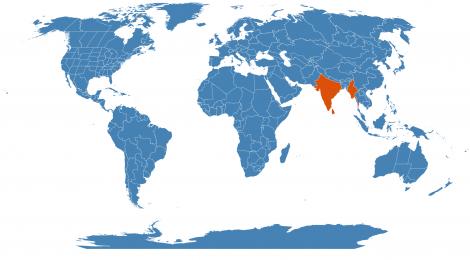
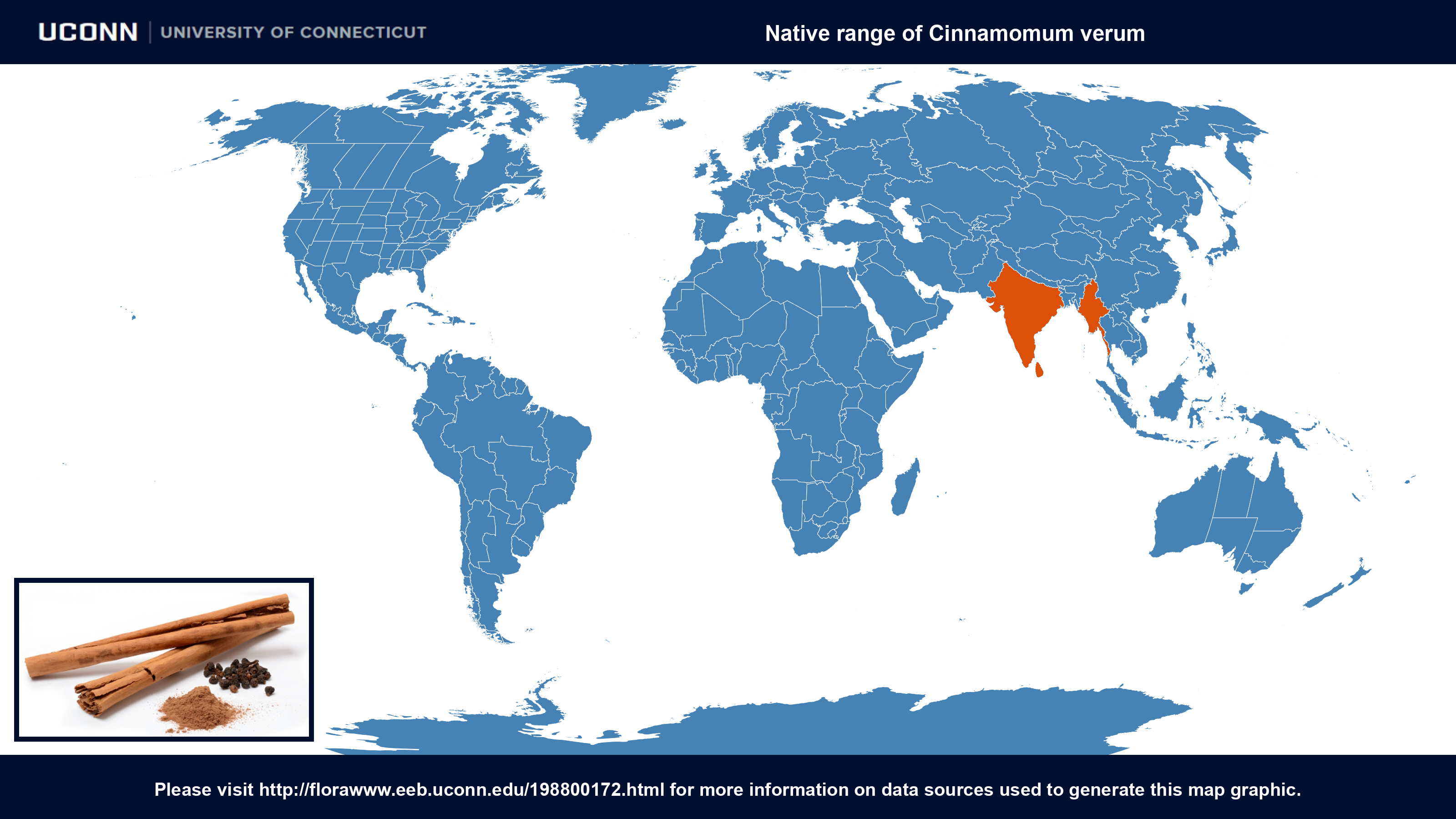
- Country of Origin: Sri Lanka, south-west India and the Tenasserim Hills of Burma
- Description: Small tree, to 30 feet; leaves ovate to ovate-lanceolate, to 7 inches long, obtuse or acute; panicles as long as leaves; flowers inconspicuous, yellowish.
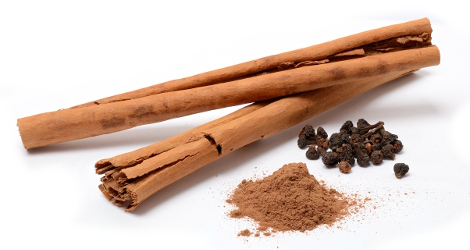
- Uses: Cinnamon is an ancient spice mentioned several times in the Old Testament. There are other species of Cinnamon but Ceylon Cinnamon has a more delicate aroma and is the dominating quality on the Western market. Stems and twigs are cut off the tree and the bark is peeled off the cutting. The inner bark curls into "quills" or cinnamon sticks as it dries. Imperfect sticks are turned into ground cinnamon. The bark is also used as an astringent and stimulant while also relieving flatulence.
While this plant may have been native to Asia and the Myanmar region, over time it has been naturalized in various parts of the world. Some information suggests ancient Egyptians used this plant as an embalming agent and while it moved to Europe, cinnamon became deeply incorporated in the culinary world.
Data suggests that consuming Cinnamon regularly has positive effects on cardiovascular health. Cinnamon has been used to relieve nausea, vomiting, heart palpitations. and heart ailments.
- IMPORTANT NOTE: Plant Uses are for informational purposes only. EEB Greenhouses assume no responsibility for adverse effects from the use of any plants referred to on this site. Always seek advice from a professional before using any plant medicinally.
- USDA Zone: 9b-11
Accession Data:
- Accession # 198800172
- Source: Unknown
- Accession Date: 01-20-1988
- Bench: 3106 - EVO: Ferns & Magnoliids
- Currently: active - healthy
- Qty: 1 confirmed on 11-29-2024
Classification:
- Division: Magnoliophyta
- Class: Magnoliopsida
- SubClass: magnoliids
- Order: Laurales
- SubOrder:
- Family: Lauraceae
- SubFamily:
- Tribe:
- SubTribe:
Flowering Data:
This accession has been observed in bloom on:| Year | Jan | Feb | Mar | Apr | May | Jun | Jul | Aug | Sep | Oct | Nov | Dec | ||||||||||||||||||||||||||||||||||||||||
|---|---|---|---|---|---|---|---|---|---|---|---|---|---|---|---|---|---|---|---|---|---|---|---|---|---|---|---|---|---|---|---|---|---|---|---|---|---|---|---|---|---|---|---|---|---|---|---|---|---|---|---|---|
| 2024 | ||||||||||||||||||||||||||||||||||||||||||||||||||||
| 2023 | ||||||||||||||||||||||||||||||||||||||||||||||||||||
| 2022 | ||||||||||||||||||||||||||||||||||||||||||||||||||||
| 2021 | ||||||||||||||||||||||||||||||||||||||||||||||||||||
| 2020 | ||||||||||||||||||||||||||||||||||||||||||||||||||||
| 2019 | ||||||||||||||||||||||||||||||||||||||||||||||||||||
| 2018 | ||||||||||||||||||||||||||||||||||||||||||||||||||||
| 2017 | ||||||||||||||||||||||||||||||||||||||||||||||||||||
| 2016 | ||||||||||||||||||||||||||||||||||||||||||||||||||||
| 2015 | ||||||||||||||||||||||||||||||||||||||||||||||||||||
| 2014 | ||||||||||||||||||||||||||||||||||||||||||||||||||||
| 2013 | ||||||||||||||||||||||||||||||||||||||||||||||||||||
| 2012 | ||||||||||||||||||||||||||||||||||||||||||||||||||||
| 2011 | ||||||||||||||||||||||||||||||||||||||||||||||||||||
| 2010 | ||||||||||||||||||||||||||||||||||||||||||||||||||||
| 2009 | ||||||||||||||||||||||||||||||||||||||||||||||||||||
| 2008 | ||||||||||||||||||||||||||||||||||||||||||||||||||||
| 2007 | ||||||||||||||||||||||||||||||||||||||||||||||||||||
| 2006 | ||||||||||||||||||||||||||||||||||||||||||||||||||||
| 2005 | ||||||||||||||||||||||||||||||||||||||||||||||||||||
| 2004 | ||||||||||||||||||||||||||||||||||||||||||||||||||||
References (internal):
- Medicinal Plants
- Medicinal Plants - Ayurveda Medicine
- Basal Angiosperms (paleodicots)
- Spice Plants
- EEB 3271 - Systematic Botany
- EEB 3203 - Developmental Plant Morphology
- Medicinal Plants - Nervous System
- Medicinal Plants - Musculoskeletal System
- Medicinal Plants - Digestive System
References (external):
- Gernot Katzer's Spice Dictionary dead link. Last attempted access on Thursday, February 01, 2018.
- Plants and Society by Estelle Levetin and Karen McMahon
- The Plant List (2013). Version 1.1. Last accessed on Thursday, February 01, 2018.
- Cinnamomum verum at ARS-GRIN. Last accessed on Thursday, February 01, 2018.
- Image #00 (cropped) & #01 (original) by Simon A. Eugster (Own work) [GFDL or CC BY-SA 3.0], via Wikimedia Commons. Last accessed on Thursday, February 01, 2018.
- Priyanga Ranasinghe, Shehani Pigera, Sirimal Premakumara, Priyadarshani Galappaththy, Godwin R Constantine, Prasad Katulanda, Medicinal properties of 'true' cinnamon (Cinnamomum zeylanicum): a systematic review, BMC Complement Altern Med. 2013; 13: 275. Last accessed on Thursday, February 01, 2018.

data regenerated on Fri, 29 Nov 2024 10:30:01 -0500 [bcm v4.0]
Images:
Additional images for this accession:
Click on thumbnails to enlarge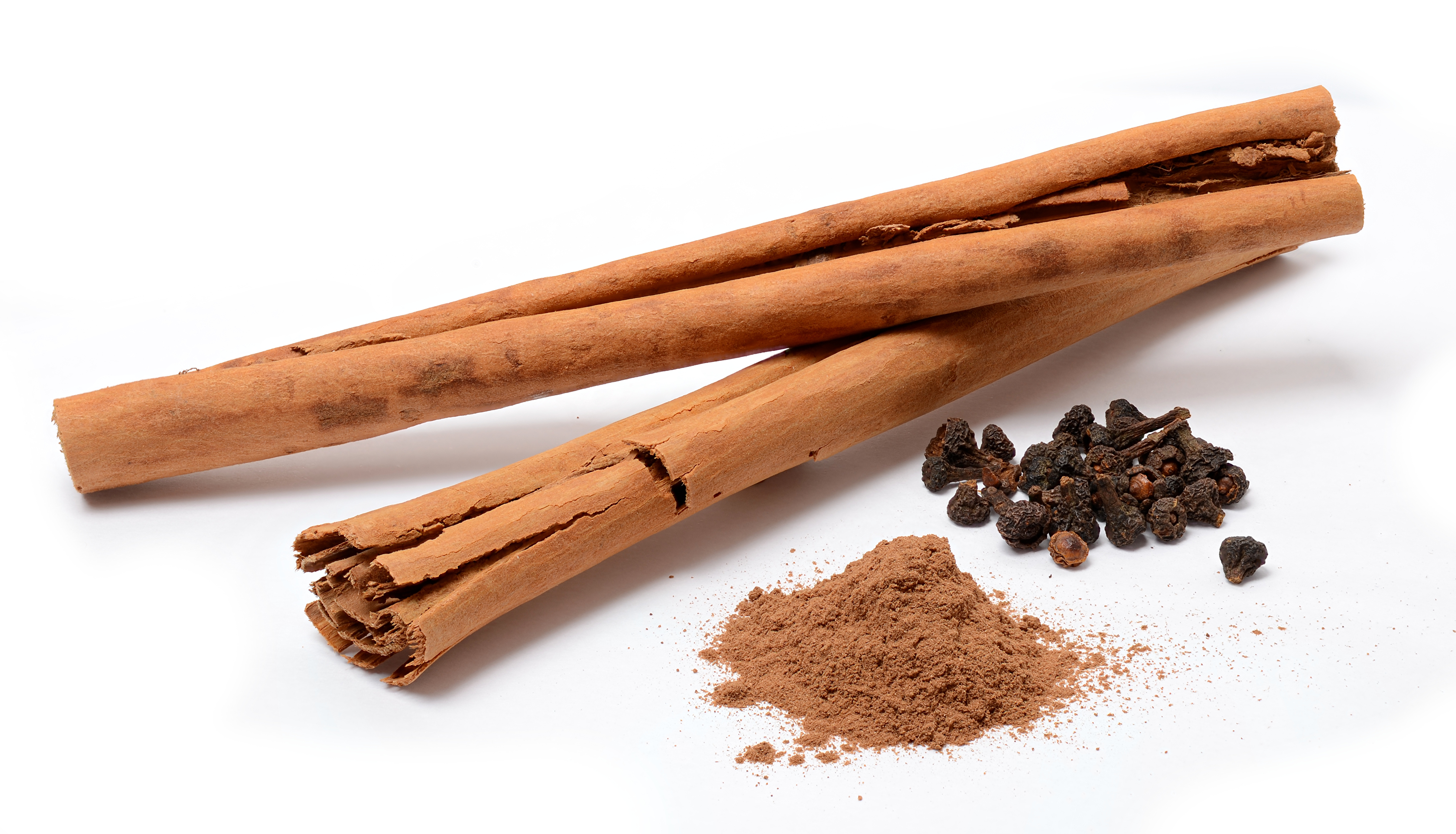
Current Accessions in the Lauraceae
W/C = Wild Collected = indicates flowering in past 14 days
 = images available for this accession
 = map available for this accession
 = accession added within past 90 days