Accession Data:
Moringa oleifera Lam.
- Common Name: Horseradish Tree
- Family: Moringaceae Dumort.
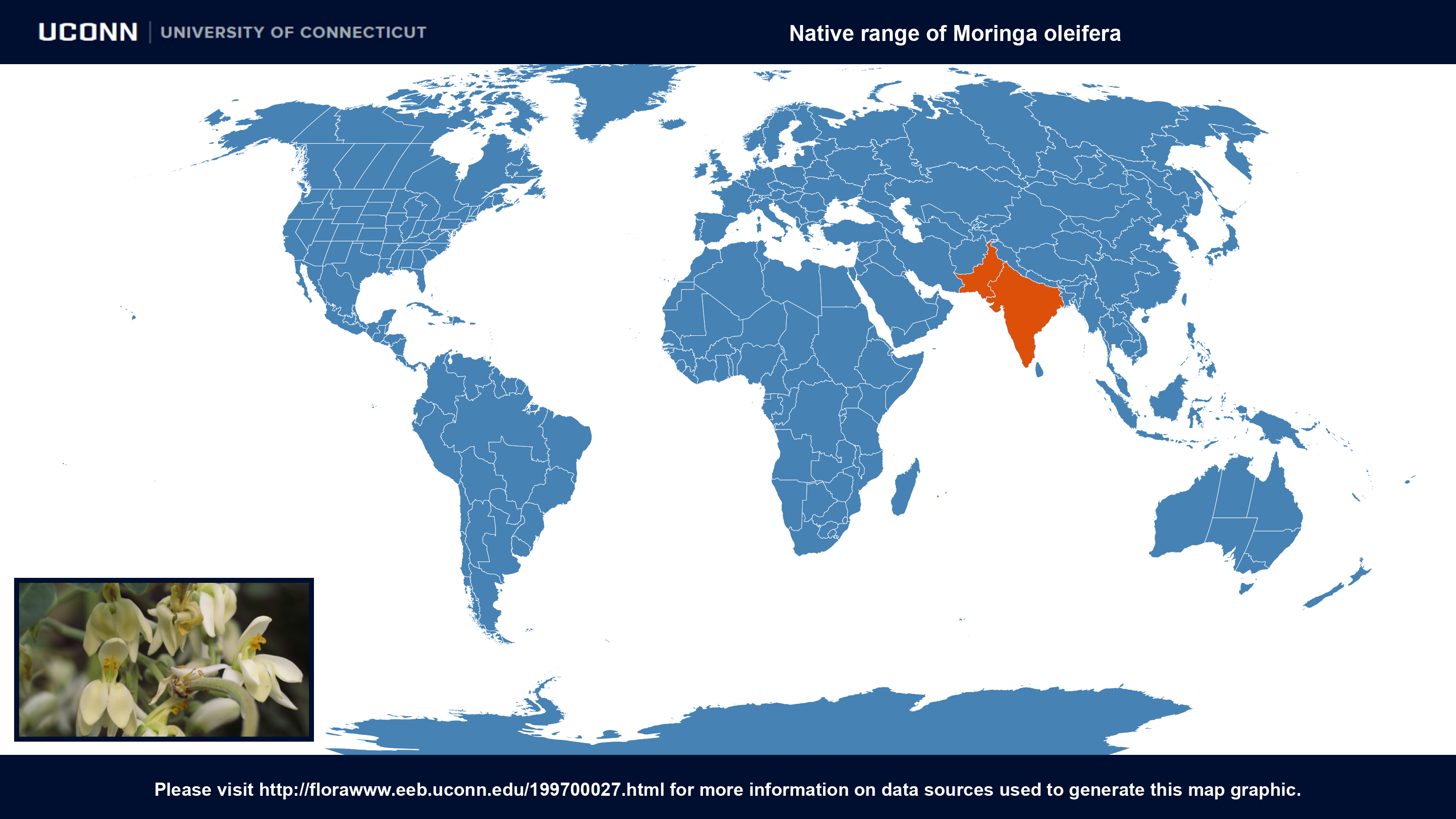
- Country of Origin: India; widely cultivated in Old World tropics
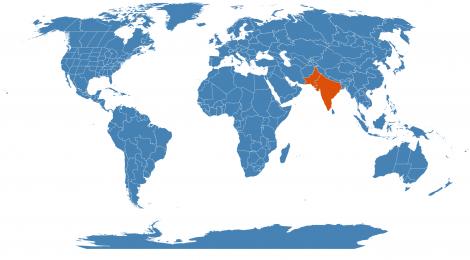
- Habitat: southern foothills of the Himalaya
- Description: [Syn. Moringa pterygosperma, M. aptera]
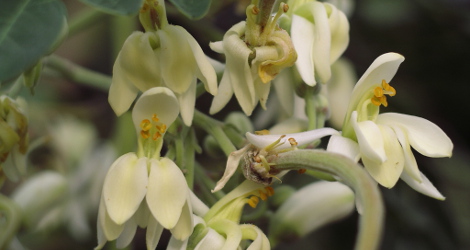
Deciduous tree to about 20 feet; leaves sub-petiole or axis; also applied to how the lateral veins are arranged in relation to the main vein.">pinnate; flowers yellow, upper petiole whitish. Develops a large caudexed base with age.
- Uses: Root is scraped when young and used by the natives as Horseradish as in Europe; leaves are used in vegetable curries and in pickles; unripe pods are used as a curry vegetable, boiled and sliced like beans; flowers and bark are used in native medicine; seeds yield valuable Oil of Ben used in artist's paints, salad oil and soap. Timber suited for pulp for cellophane or rayon.
Recent research indicates some compounds in the seeds and fruit of this plant have a purifying effect on water. Other compounds have been shown to have promising antibiotic activity.
Used externally as a counter irritant, also used as a stimulant to remedy a number of maladies.
- IMPORTANT NOTE: Plant Uses are for informational purposes only. EEB Greenhouses assume no responsibility for adverse effects from the use of any plants referred to on this site. Always seek advice from a professional before using any plant medicinally.
- USDA Zone: 9-10
Accession Data:
- Accession # 199700027
- Source: Banana Tree
- Recorded Vouchers:
- Voucher #129179 at George Safford Torrey Herbarium (CONN).
- Accession Date: 04-01-1997
- Bench: 1205 - AUS:Ground Bed 1 NE
- Currently: active - healthy
- Qty: 2 confirmed on 02-26-2025
Classification:
- Division: Magnoliophyta
- Class: Magnoliopsida
- SubClass: eurosid II
- Order: Brassicales
- SubOrder:
- Family: Moringaceae
- SubFamily:
- Tribe:
- SubTribe:
Flowering Data:
This accession has been observed in bloom on:| Year | Jan | Feb | Mar | Apr | May | Jun | Jul | Aug | Sep | Oct | Nov | Dec | ||||||||||||||||||||||||||||||||||||||||
|---|---|---|---|---|---|---|---|---|---|---|---|---|---|---|---|---|---|---|---|---|---|---|---|---|---|---|---|---|---|---|---|---|---|---|---|---|---|---|---|---|---|---|---|---|---|---|---|---|---|---|---|---|
| 2025 | ||||||||||||||||||||||||||||||||||||||||||||||||||||
| 2024 | ||||||||||||||||||||||||||||||||||||||||||||||||||||
| 2023 | ||||||||||||||||||||||||||||||||||||||||||||||||||||
| 2022 | ||||||||||||||||||||||||||||||||||||||||||||||||||||
| 2021 | ||||||||||||||||||||||||||||||||||||||||||||||||||||
| 2020 | ||||||||||||||||||||||||||||||||||||||||||||||||||||
| 2019 | ||||||||||||||||||||||||||||||||||||||||||||||||||||
| 2018 | ||||||||||||||||||||||||||||||||||||||||||||||||||||
| 2017 | ||||||||||||||||||||||||||||||||||||||||||||||||||||
| 2016 | ||||||||||||||||||||||||||||||||||||||||||||||||||||
| 2015 | ||||||||||||||||||||||||||||||||||||||||||||||||||||
| 2014 | ||||||||||||||||||||||||||||||||||||||||||||||||||||
| 2013 | ||||||||||||||||||||||||||||||||||||||||||||||||||||
| 2012 | ||||||||||||||||||||||||||||||||||||||||||||||||||||
| 2011 | ||||||||||||||||||||||||||||||||||||||||||||||||||||
| 2010 | ||||||||||||||||||||||||||||||||||||||||||||||||||||
| 2009 | ||||||||||||||||||||||||||||||||||||||||||||||||||||
| 2008 | ||||||||||||||||||||||||||||||||||||||||||||||||||||
| 2007 | ||||||||||||||||||||||||||||||||||||||||||||||||||||
| 2006 | ||||||||||||||||||||||||||||||||||||||||||||||||||||
| 2005 | ||||||||||||||||||||||||||||||||||||||||||||||||||||
References (internal):
- Medicinal Plants
- Fiber Plants
- Plants with Extrafloral Nectaries
- EEB 3271 - Systematic Botany
- Plants with Vouchers deposited in CONN
- Medicinal Plants - Traditional African Medicine
- Currently Featured Medicinal Plants
References (external):
- Moringa oleifera. (2013, October 25). In Wikipedia, The Free Encyclopedia. Retrieved 15:04, November 4, 2013
- Moringa Homepage at MoBot
- RHS Dictionary of Gardening, 1984
- The Plant Book, Mabberley, 1987
- American Chemical Society. "'Miracle tree' substance produces clean drinking water inexpensively and sustainably." ScienceDaily, 18 Jan. 2012. Web. 19 Jan. 2012.
- The Plant List (2013). Version 1.1. Last accessed on Wednesday, September 07, 2016.
- Moringa oleifera. (2011, September 27). Wikispecies, . Retrieved 15:06, November 4, 2013
- The Global Biodiversity Information Facility: GBIF Backbone Taxonomy, 2013-07-01. Accessed on 2013-11-04
- Moringa oleifera at ARS-GRIN. Last accessed on Wednesday, September 07, 2016.
- Images #00 (cropped) & #01 (original) by Harvey McDaniel from Naalehu, HI (Flickr - image description page) [CC BY 2.0 ], via Wikimedia Commons. Last accessed on Tuesday, August 14, 2018.
data regenerated on Wed, 26 Feb 2025 12:06:14 -0500 [bcm v4.0]
Images:
Additional images for this accession:
Click on thumbnails to enlarge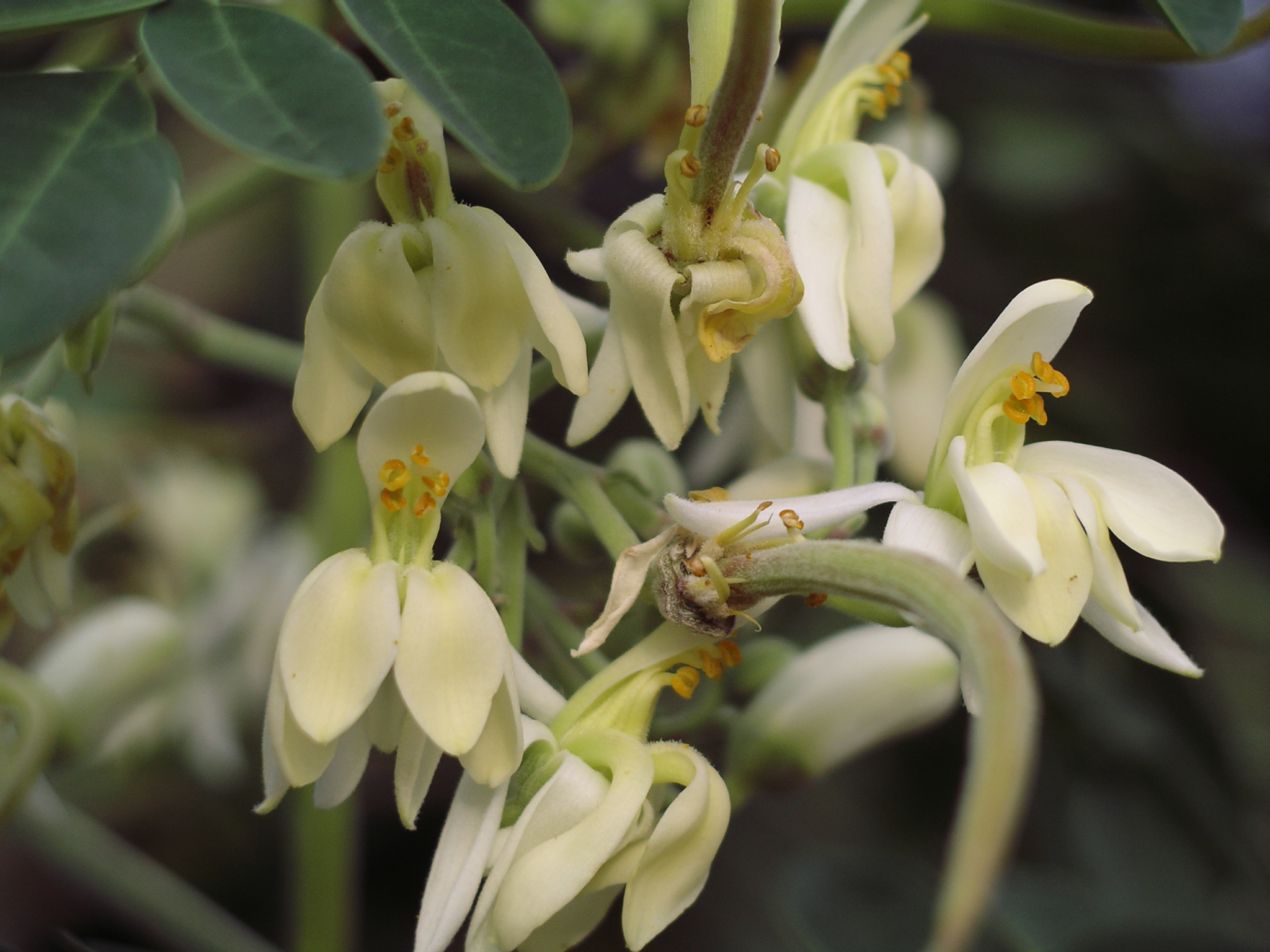
Current Accessions in the Moringaceae
W/C = Wild Collected

 = indicates flowering in past 14 days
 = images available for this accession
 = map available for this accession
 = accession added within past 90 days